

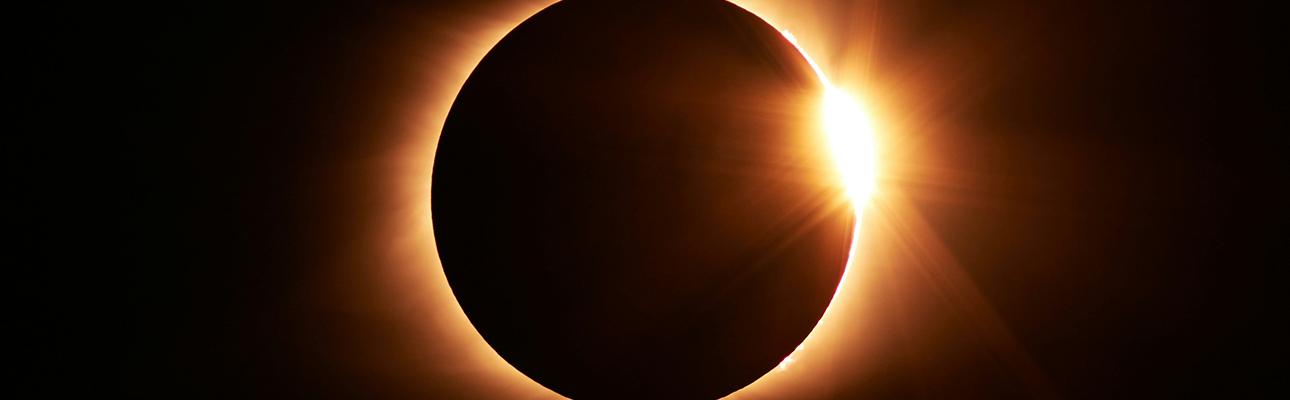
The year 2026 stands out as a milestone where celestial events merge with cultural discovery, marking the absolute zenith of the “Astrotourism” movement in the travel industry. As a tourism executive, my observation is that these natural phenomena are no longer viewed through the lens of mere scientific curiosity; instead, they have transformed into a profound search for meaning and a powerful tool for gaining perspective.
Here is the latest insider look at the 2026 Total Solar Eclipse tours:
A Historic Event for Mainland Europe: In 2026, a total solar eclipse will sweep across mainland Europe for the first time in nearly 30 years. This rare alignment has triggered an unprecedented surge in travel demand across the region.
Tour Booking and Occupancy Rates: Seasoned operators with over 25 years of experience in solar eclipse travel (such as Explore) report that their 2026 capacities are already nearly completely sold out.
Remaining Routes and Opportunities: For those still hoping to witness this cosmic spectacle, availability is critically low—as of now, only a few final spots remain on itineraries heading to Iceland.
A Cultural and Emotional Journey: These curated trips go far beyond simple stargazing. They are meticulously designed as “once-in-a-lifetime” experiences that seamlessly blend science, spectacular landscapes, and deep cultural immersion.
Looking Ahead to 2027: For travelers who miss out on the 2026 lineup, tourism professionals are already plotting the next move. The highly anticipated launch of the 2027 solar eclipse tours, which will map across North Africa, is expected very soon.
At the core of this overwhelming interest lies a collective desire to escape the chaos of modern urban life, allowing travelers to unplug and reconnect with the universe beneath an unpolluted sky.